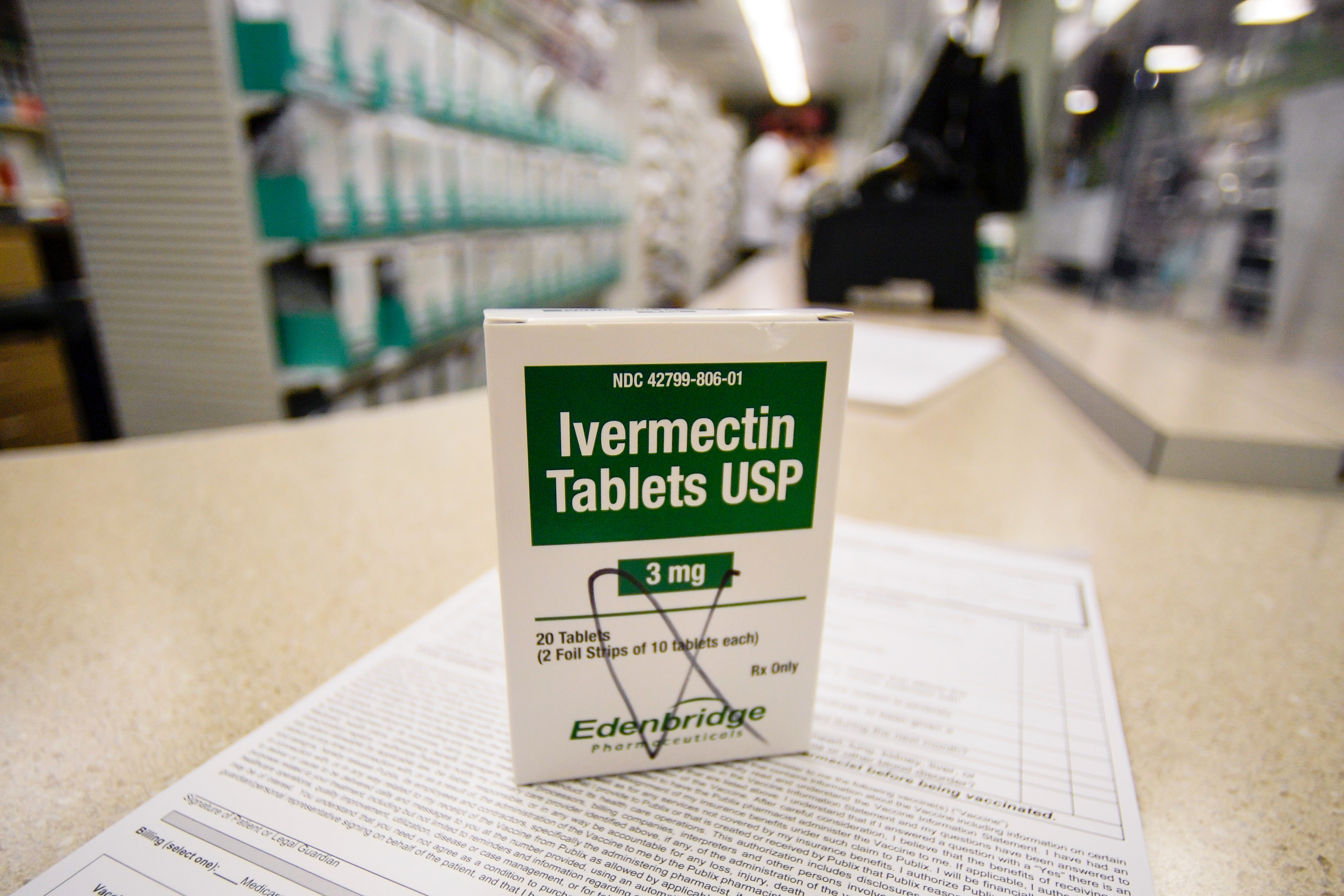
Dewormer to Cancer Cure? Inside the Ivermectin NCI Research
The journey of ivermectin, a Nobel Prize-winning drug primarily known for its remarkable efficacy against parasitic infections, has taken an extraordinary and highly controversial turn. Once hailed as a "wonder drug" for its impact on global health, it is now at the center of a fervent debate:
Does Ivermectin Cure Cancer? Recent anecdotal reports from medical professionals suggest astonishing recoveries in advanced cancer patients, while concurrently, the esteemed National Cancer Institute (NCI) is embarking on its own investigation into the drug's anti-cancer potential, albeit under a cloud of controversy. This article delves into the claims, the ongoing research, and the critical questions surrounding ivermectin's unexpected leap from animal dewormer to potential cancer combatant.
The Astonishing Claims: From Dewormer to Cancer Eradicator?
The medical community has been stirred by remarkable testimonies from physicians who report significant success using ivermectin in cancer treatment. Dr. Paul Marik, an American physician and revered professor of medicine, made headlines with his "bombshell announcement." Known for his work in critical care, Dr. Marik revealed that he observed terminally ill cancer patients making complete recoveries after receiving ivermectin as part of a "combination approach" alongside other therapeutic agents. His impactful statement during an interview, "Patients who had solid tumors, who were given the horse dewormer (ivermectin), and together with some other drugs… the cancer disappeared," ignited widespread interest.
Further solidifying these claims, cancer surgeon Dr. Kathleen Ruddy shared her own compelling experiences. Dr. Ruddy reported successfully curing several cancer patients, including those with late-stage diagnoses, using ivermectin. She detailed cases where patients, having exhausted all conventional treatments and facing grim prognoses, defied medical expectations. One poignant example involved a man with stage four prostate cancer, whose disease had spread extensively, leaving him with little time left. After starting ivermectin, his metastatic lesions began to disappear within six months, leading to a full recovery and a return to an active, normal life within a year.
Another astonishing case involved a patient named Eddie, who suffered from two unresectable esophageal tumors, making swallowing impossible and causing significant weight loss. Following ivermectin treatment, Eddie’s condition rapidly improved. Within weeks, his voice strengthened, he could swallow again, and he began to gain weight. A subsequent scan revealed the impossible: "No tumors. Gone. Gone." These dramatic turnarounds in patients deemed beyond conventional help have left doctors stunned and fueled the urgent inquiry into ivermectin's true capabilities. For more detailed accounts of these incredible recoveries, you can read about them here:
Ivermectin Cures Cancer? Doctors Report Astonishing Recoveries.
Unpacking Ivermectin's Biological Mechanisms: How Could it Work?
While anecdotal reports are compelling, the scientific community seeks to understand the underlying mechanisms that could explain how a drug primarily used to combat parasites might also tackle complex diseases like cancer. Laboratory and preclinical studies have begun to shed light on several potential pathways through which ivermectin could exert anti-cancer effects:
* **Inhibition of Cell Proliferation:** Ivermectin has been shown to impede the uncontrolled growth of various cancer cells by interfering with critical cellular processes.
* **Induction of Apoptosis:** One of the most promising mechanisms is ivermectin's ability to trigger programmed cell death (apoptosis) in cancer cells, essentially forcing them to self-destruct without harming healthy cells.
* **Disruption of Tumor Metabolism:** Cancer cells often rely on altered metabolic pathways for their rapid growth. Ivermectin may disrupt these pathways, particularly by affecting mitochondrial function, thereby starving cancer cells of energy.
* **Anti-inflammatory Effects:** Chronic inflammation is known to contribute to cancer progression. Ivermectin possesses anti-inflammatory properties that could potentially reduce the pro-tumorigenic inflammatory environment.
* **Modulation of Immune Responses:** Some research suggests ivermectin could help modulate the immune system, potentially enhancing the body's natural ability to recognize and destroy cancer cells.
* **Targeting Cancer Stem Cells:** Cancer stem cells are a highly resistant subpopulation of cells responsible for tumor initiation, recurrence, and metastasis. Ivermectin may selectively target and eliminate these elusive cells.
It's crucial to emphasize that these mechanisms, while scientifically intriguing, have largely been observed in *in vitro* (test tube) and *in vivo* (animal model) studies. Translating these findings into effective human therapies requires extensive and rigorous clinical trials to confirm safety and efficacy.
NCI's Investigation and the Cloud of Controversy
The prospect of an inexpensive, off-patent drug like ivermectin offering a breakthrough in cancer treatment is undoubtedly exciting. This potential has led the National Cancer Institute (NCI), a leading federal agency for cancer research, to investigate ivermectin as a possible cancer therapy. However, this particular research endeavor has been met with significant scrutiny and "many experts raising eyebrows."
The controversy stems partly from ivermectin's recent history during the COVID-19 pandemic. Despite widespread promotion by certain "fringe medical groups" as a cure or preventative for COVID-19, large-scale clinical trials conclusively debunked its effectiveness against the virus. This precedent has cast a shadow of doubt over any new claims regarding ivermectin's therapeutic potential, leading many to question if the NCI's current investigation is "science or fiction."
Adding another layer to the controversy is the reported influence of Robert F. Kennedy Jr., a prominent anti-vaccine advocate known for his controversial beliefs, in the allocation of federal funds for this study. The involvement of an individual associated with a history of challenging mainstream medical consensus raises legitimate concerns among some about the scientific rigor and unbiased nature of the NCI's ivermectin research. It highlights the tension between legitimate scientific inquiry and the potential for political or ideological influence in medical research, especially concerning drugs with a contentious public profile. To understand more about the conflicting views and NCI’s involvement, explore this article:
Ivermectin's Cancer Claims: From Patient Miracles to NCI Scrutiny.
The Path Forward: Separating Hope from Hype
The compelling anecdotal reports from doctors like Marik and Ruddy offer a beacon of hope for countless cancer patients and their families. However, navigating the complex landscape of cancer treatment requires a steadfast commitment to evidence-based medicine.
*
The Indispensable Role of Clinical Trials: While individual patient stories are powerful and inspire further investigation, they do not constitute definitive scientific proof. Large-scale, randomized, placebo-controlled clinical trials are the gold standard for evaluating a drug's safety and efficacy. These trials systematically assess whether a treatment works, for whom, at what dosage, and with what side effects, moving beyond mere correlation to establish causation.
*
Empathetic Caution for Patients: For those battling cancer, especially advanced stages, the search for new and effective treatments can be desperate. It's vital to maintain a balance between hope and realism. Patients should avoid self-medicating with ivermectin or any unproven therapy, as incorrect dosages or combinations can lead to serious adverse effects or interfere with established treatments.
*
Consult Your Oncologist: Any discussion about experimental or alternative therapies, including ivermectin, must involve a qualified medical professional. Your oncologist can provide personalized advice based on your specific cancer type, stage, and overall health, ensuring that any treatment path chosen is safe and medically sound.
*
Critical Evaluation of Information: Given ivermectin's contentious past, it is more important than ever to critically evaluate information sources. Rely on reputable scientific journals, established medical institutions (like the NCI itself), and healthcare professionals for accurate and balanced perspectives.
*
The Future of Research: The NCI's investigation, despite the controversy surrounding its inception, represents a crucial step. It allows for a systematic and controlled study of ivermectin's potential in oncology. Regardless of the outcome – whether it validates the anecdotal claims or conclusively debunks them – rigorous research is the only way to provide definitive answers.
Conclusion
The question, "
Does Ivermectin Cure Cancer?" remains one of the most intriguing and hotly debated topics in contemporary medicine. While astonishing anecdotal reports from respected physicians offer glimpses of dramatic recoveries, and compelling biological mechanisms are being explored in laboratories, conclusive scientific evidence from large-scale human clinical trials is still pending. The National Cancer Institute's involvement signifies the scientific community's recognition of ivermectin's potential, even as the process is shadowed by past controversies and external influences. For now, the medical community and patients alike await the robust data that will ultimately separate hope from hype, guiding us toward truly effective and safe cancer treatments. The journey from dewormer to a potential cancer cure is far from over, underscoring the dynamic and ever-evolving nature of medical discovery.